Margins are being squeezed from every direction, and many operators don’t realise how much it’s costing them until it’s too late, when the damage is already done, rather than having real-time insight to make changes in the moment. Rising costs are only part of the story. There’s a deeper shift happening – one that’s reshaping how waste businesses need to think, operate, and deliver.
At Waste Logics, we speak to hundreds of skip hire and waste operators every week – customers who are using our system to tackle these challenges head-on. Their insight gives us a unique, real-time view of what’s driving the pressure – and what’s working to fight back. If you’ve felt the strain or seen margins slip, this article breaks down what’s really happening and how the most forward-thinking operators are staying one step ahead.
Why Margins Are Under More Pressure Than Ever
The UK waste and skip hire sector is feeling the squeeze. Margins are shrinking, costs are rising, and customer expectations are shifting faster than many operators can keep up with. Whether you’re running a local skip business or managing operations at an enterprise level, the challenges are stacking up and relying on the same old ways of working just won’t cut it anymore.
The Cost Crunch Is Real
Labour shortages, rising wages, and escalating disposal costs are creating the perfect storm for waste operators. Labour costs are surging – minimum wage increases, higher National Insurance contributions, and ongoing driver shortages are pushing payrolls up across the board.
Then there’s insurance. With more lithium batteries and vapes slipping into general waste streams, the risk of fires and accidents is rising, and insurers are responding with steep premium hikes. Some waste businesses are now facing double-digit percentage increases just to maintain cover. When your overheads are rising on every front, protecting margin becomes a daily battle.
Gate Fees & Disposal Costs Are Surging
Disposal costs are another major contributor to the pressure. Landfill tax has jumped by over 22%, now costing operators an extra £22.45 per tonne. Anaerobic digestion (AD) gate fees have risen from £16 to £26 per tonne. MRF gate fees? Up again, now approaching a 40% increase per tonne. Incineration (waste-to-energy) is also expected to climb in price as carbon-related levies come into force.
These aren’t minor fluctuations – they are systemic cost increases that cut directly into margins. When you’re moving hundreds of tonnes a day, these shifts add up fast.
And Yet, Investment Demands Keep Growing
At the same time, there’s more pressure than ever to invest in infrastructure. Many companies are looking to electrify fleets, implement automation in materials recovery facilities, and invest in fire prevention equipment. These are good things, but they come with heavy upfront costs.
It’s a painful paradox: you need to invest to stay competitive, but rising costs are already eating into the capital you need to grow.
This is the new normal. But rather than just absorbing these pressures, the most forward-thinking operators are transforming their businesses from the inside out – with data, automation, and smarter customer journeys.
The Hidden Operational Blind Spots That Cost You – ££££
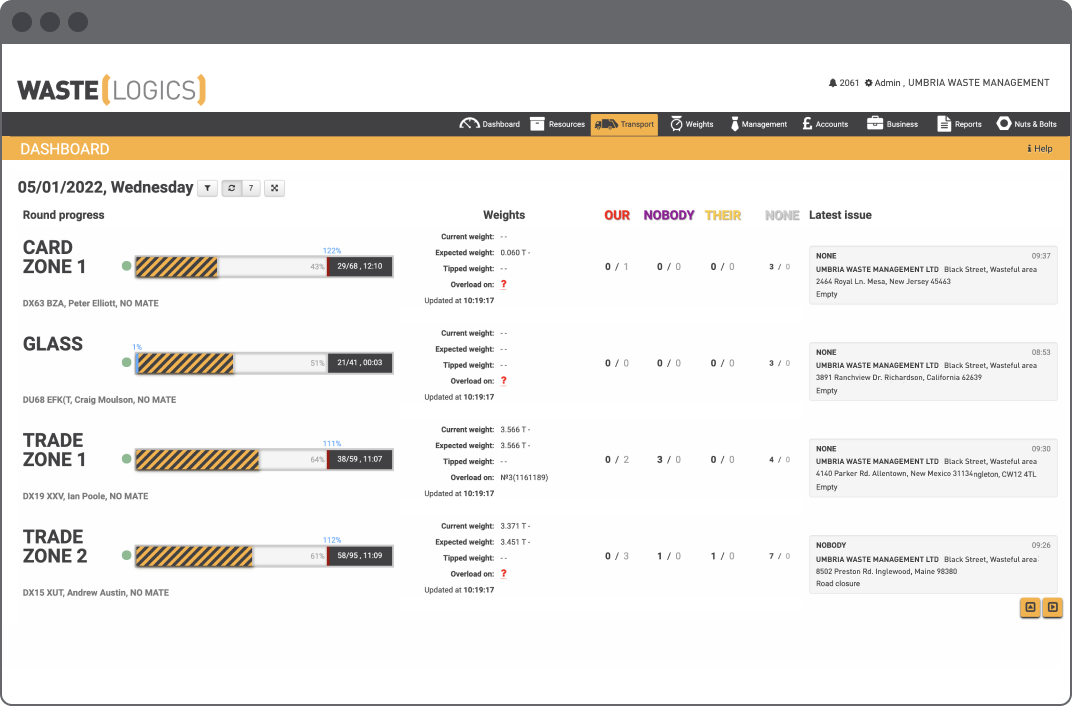
Waste management is a margin game. Every mile driven, every tonne tipped, and every skip delivered contributes to either profit or loss. And yet, too many businesses still don’t have the visibility to track performance across the board.
Skips Sitting Idle = Revenue Standing Still
If a skip is sitting on a customer’s site for days or weeks longer than planned, it’s not earning. It’s a sunk cost – diesel, driver time, and admin hours all tied up with no return. Even worse, during busy periods, you’re short of skips and may end up turning away new business or scrambling to buy more stock at inflated prices.
This isn’t just an operations issue – it’s a strategic one. Poor skip turnaround hits margin, cash flow, and customer satisfaction. With visibility and alerts in place, these issues become manageable. Without them, they go unnoticed – until they hit the P&L.
Are You Making Money on Every Job?
Most companies don’t know which jobs are profitable. Why? Because tracking job profitability requires pulling together data from multiple sources, such as distance driven, driver time, tipping costs, wait times, and the final invoice value. Without this, it’s impossible to understand which customers are worth keeping and which jobs are eating margin.
It’s not just about collecting the data – it’s about making it usable. One late driver or contaminated load can flip a profitable job into a loss. That level of visibility can’t be achieved on paper or through outdated systems or processes.
Driver & Vehicle Performance – The Silent Margin Killers
Your fleet is one of your biggest costs. But do you know which drivers are consistently running behind? Which vehicles are least efficient? Which rounds or customers are generating the most complaints or the longest wait times?
Better planning and real-time monitoring can uncover inefficiencies that are slowly eroding your bottom line. In an industry with tight margins, plugging even small gaps in performance adds up quickly.
Visibility isn’t just a nice-to-have anymore – it’s a competitive advantage.
The New Customer Experience (and Why You Can’t Ignore It)
Your customers aren’t just comparing you to other skip companies – they’re comparing you to Amazon. Today’s expectations have changed: people want instant answers, online ordering, and real-time communication. Waste operators who don’t adapt risk falling behind.
Digital Expectations Are Now the Norm
Customers want to:
-
Order skips online at any time of day.
-
Get instant and professional quotes via phone or email.
-
Receive automated updates when their skip will be delivered or collected, or is overdue.
-
Access tickets and invoices 24/7 without calling the office.
-
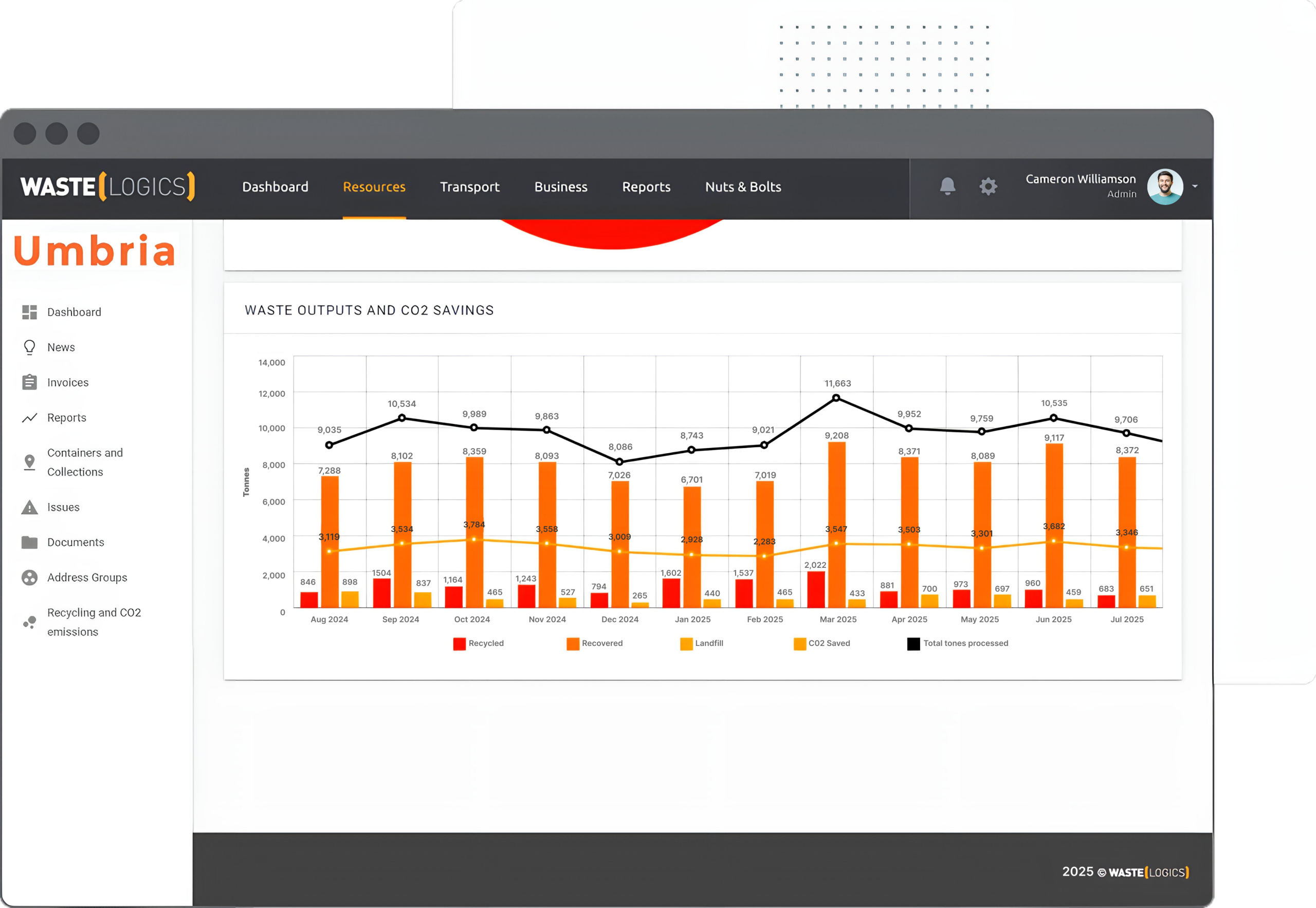
View their recycling/waste data and what happened to it, broken down by site, material type, or job.
This isn’t a wishlist, it’s the baseline expectation for modern waste management systems.
Every Missed Email or Delayed Quote Is a Lost Opportunity
If a customer requests a quote and you can’t respond quickly – or track what was sent, when, or whether it converted – you’re setting yourself up to lose business. Even worse, when they call back days later and you can’t find their details, the conversation starts from zero. It’s not just inefficient – it’s frustrating for the customer and a fast track to losing them to a competitor who’s easier to deal with.
Real-Time Communication Builds Trust
When a skip is en route, the customer expects to be kept in the loop. If they’ve forgotten it’s due for collection, they want a timely reminder. Without automated alerts and real-time tracking, you’re relying on people to remember – and that’s where service starts to slip. If the customer isn’t prepared when your driver arrives, it leads to delays, which then ripple through the rest of the day’s schedule, impacting other jobs, other customers, and your ability to stay on track.
In an age of increased environmental scrutiny, customers also want recycling reports and proof of sustainability, not monthly, but instantly. And they want it broken down in meaningful ways, not buried in spreadsheets.
Turn These Challenges into Your Advantages with Waste Logics!
Let’s face it – challenges in business aren’t going anywhere. But the companies that win are the ones that stop firefighting and start gaining from the chaos. Waste Logics is helping waste management businesses across the UK and Ireland do exactly that – saving hours across the team, boosting revenue, reducing costs, and keeping customers happier with every job.
If you’d like to explore how Waste Logics could support your business, you can get a quote.