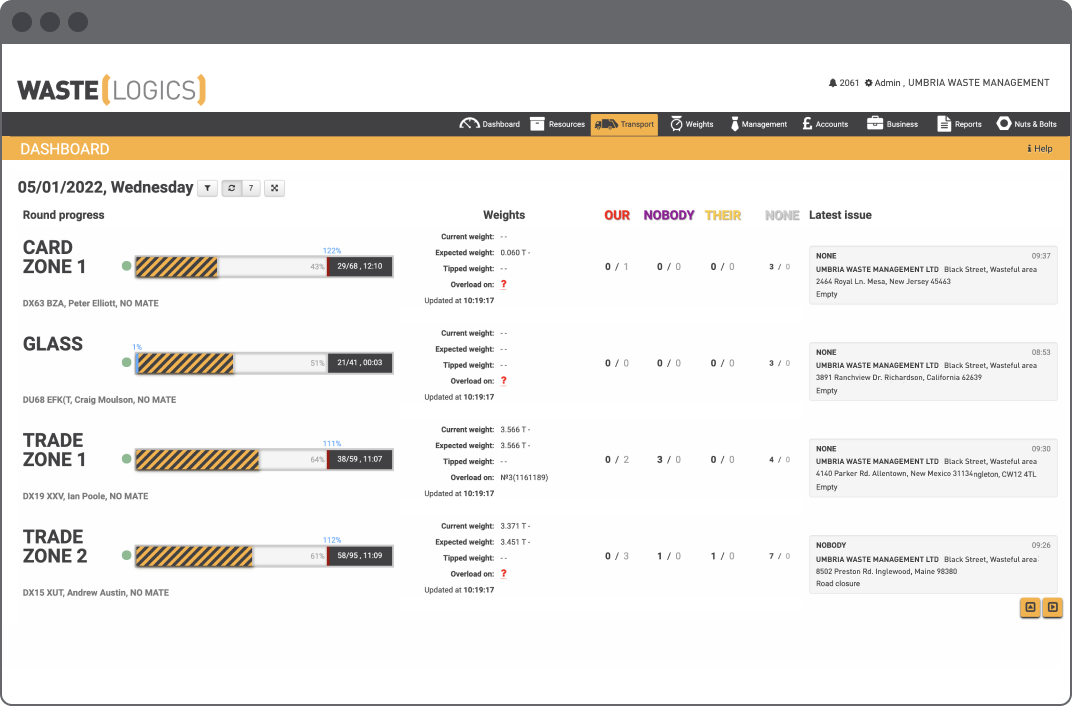
Over the past year, we’ve spoken to hundreds of waste operators facing the same challenge. Costs are rising, margins are tightening, and teams are working harder than ever just to stand still. Labour, disposal fees, compliance, insurance and customer expectations are all putting pressure on already thin margins. What’s catching many businesses out isn’t just the increases themselves, but the lack of real-time visibility into where money is actually being made or lost.
The cost pressure waste operators can’t ignore
Margins in waste management have always been tight, but recent increases have pushed many businesses into uncomfortable territory. Labour shortages, rising wages and ongoing driver availability issues are driving payroll costs up. At the same time, disposal costs continue to climb. Landfill tax increases, higher gate fees at MRFs and anaerobic digestion facilities, and growing pressure around contamination and non-compliant waste all add up quickly. Insurance is another growing concern. With lithium batteries and vapes increasingly finding their way into general waste, the risk profile for waste businesses has changed, and insurers are responding with higher premiums.
The hidden operational blind spots that eat margin
For many operators, the real issue isn’t just rising costs. It’s not being able to clearly see where margin is being lost day to day. Skips sitting on site longer than planned tie up assets and reduce availability during busy periods. Jobs that look profitable on paper can quickly turn into losses once tipping fees, driver time, delays and re-routes are factored in. Vehicles and drivers vary hugely in efficiency, but without visibility, those differences often go unnoticed. Most businesses have the data somewhere, but it’s spread across spreadsheets, systems and manual processes. By the time it’s reviewed, the opportunity to act has already passed. In a margin-driven industry, delayed insight can be just as damaging as no insight at all.
Customer expectations have shifted
Operators aren’t just competing with other waste companies anymore. Customers now expect fast responses, clear communication and easy access to information as standard. They want quotes quickly, updates when a skip is on the way or overdue, and access to invoices, tickets and recycling reports without having to chase the office. Increasingly, they also expect transparency around sustainability and waste outcomes. When systems can’t support that level of service without adding admin pressure, teams become stretched, service slips and margin suffers further.
What forward-thinking operators are doing differently
The businesses coping best with today’s pressures aren’t working longer hours or squeezing teams harder. They’re changing how they operate. They focus on real-time visibility rather than retrospective reporting, identify loss-making jobs early, improve asset turnaround, and use data to plan routes, resources and pricing more effectively. They also reduce manual admin so teams can spend time on higher-value work. Most importantly, they make decisions based on what’s happening now, not what happened weeks ago. We’ve seen this in practice with customers like Norris, who use real-time reporting to spot issues earlier and make more confident day-to-day decisions.
This article originally appeared in Skip & Waste magazine. Reproduced with thanks.